Just for reassurance…I added a few inches around the chest, waist and hips for the first pattern, just in case. summer print sheath dresses plus size Women Community Blog says:.
Updated: September 6, References. When you keep a knife on your person, the blade should remain in a sheath when not in use. Instead of purchasing a sheath from a distributor, design and create a personalized leather knife sheath to wear on your belt.
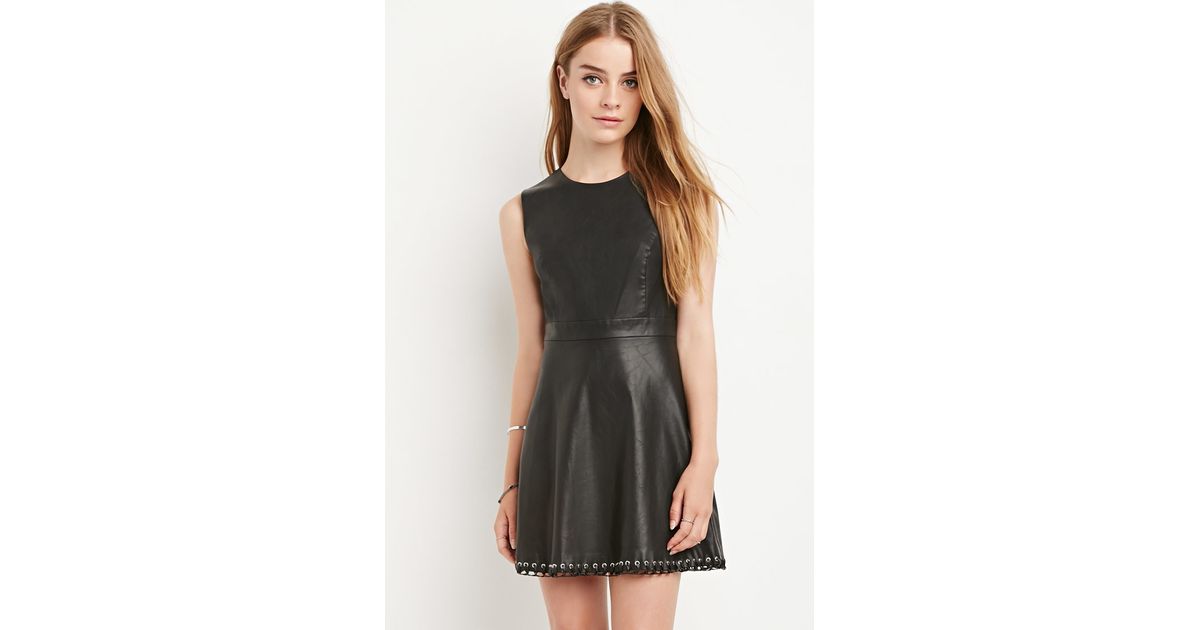
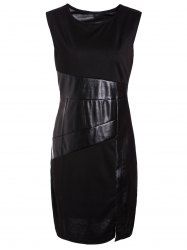
Legit theory faux leather sheath dress patterns oops
Handcrafting a knife sheath provides you control over the pattern, materials, and quality of the product. To make a knife sheath, start by placing your paper patterns for the sheath and welt over a piece of leather and using a sharp thin-bladed utility knife to cut around the patterns.

Next, hand-stitch the belt loop onto the sheath, then dampen the leather with water to make it soft and pliable. Afterwards, fold the sheath and align the edges, then stitch them together with a needle and thread.

Finally, dampen the leather again, place your knife in the sheath, and press the leather around the blade and handle to mold the sheath to the shape of your knife.
To learn more, including how to protect your sheath from cracks and water damage, scroll down. Did this summary help you?
Yes No. Log in Facebook Loading Google Loading Civic Loading No account yet?

Create an account. We use cookies to make wikiHow great.
42 Best Knife sheath pattern images | Knife sheath, Leather working, Leather projects
By using our site, you agree to our cookie policy. Article Edit. Learn why people trust wikiHow. This article was co-authored by our trained team of editors and researchers who validated it for accuracy and comprehensiveness.
Theory faux leather sheath dress patterns sizes
Together, they cited information from 54 references. Learn more Explore this Article Preparing for the Project. Designing, Tracing, and Cutting a Sheath Pattern.
Preparing and Attaching the Belt Loop. Inserting the Welt. Sewing the Sheath and Forming the Leather. Making Additional Touches.
Show 3 more Show less Tips and Warnings. Things You’ll Need.
Related Articles. Article Summary. Part 1 of Find and prepare your workspace. Before you begin on this project, set yourself up in a great workspace.
Locate a space with lots of natural light or strong artificial lighting. Make sure your workspace has a large flat surface and enough room from all of the necessary materials and tools for this project.

Gather your materials. To create a knife sheath, you will need to collect the following materials: 8 or 9 ounce leather Graph paper Cardstock or cardboard Masking tape Leather dye Waxed thread Neatsfoot oil.
Gather your tools. Part 2 of Divide a piece of graph paper.
Create your custom sheath pattern for your knife on a piece of graph paper. Use a ruler to locate the center of the paper. Draw a line down the center of the page from top to bottom to divide the paper in half.
22.02.2020 – They design modern, elegant sewing patterns that make you look amazing, just as you are. Heavier fabrics will give a more structured look. Look no further than the Dartmouth Top! An optional maternity skirt is also included. In order for glue to adhere to the leather, you must roughen up the leather at the points of attachment.
This line represents the sheath’s fold. Position and trace your knife.

Place the knife on the prepared graph paper to the left of the centerline. Use a pencil to trace the sharp side of the knife. Following the blade’s curve, draw a line up and around the sharp side of the knife.
Do not trace directly along the handle.
Since the handle is thicker than the blade, extra material is required in order to enclose it. The welt is an additional piece of leather placed inside of the sheath.
It runs along the sharp side of the blade to prevent the knife from cutting through the sheath. Locate and mark a point on the centerline that is approximately 1 inch above the top of the curved outer-line.
Connect this point with the top of the second curved line—this connecting line should gradually rises from the lower horizontal line up towards the top horizontal line.
Connect the original centerline to the shifted centerline with a slight curve. Cut out the pattern. Fold the paper along the original centerline.
Unfold the paper and cut out the left side of the pattern—make sure to stop at the centerline. Refold the pattern and carefully cut along edges of the sheath pattern—the right side of the sheath pattern will not include the belt loop pattern.
Transfer the sheath pattern onto leather. When creating a knife sheath, it is ideal to use 8 to 9 ounce leather. Lay the leather on your work surface so that the soft side is facing up.
Determine if you will wear your sheath on the right or the left. If you are right handed, you may wish to wear your belt sheath on the right.
Flip the pattern over so that the belt loop is on the right side of the pattern. If you are left handed, you may wish to wear your belt sheath on the left.
Flip the pattern so that the belt loop is on the left side of the pattern.
Butterick Patterns
Use a pencil to trace the pattern onto the leather—trace directly over the masking tape. Use a sharp thin bladed utility knife to cut out the pattern.
Create a welt pattern from the original sheath pattern. The area between the two curved lines on the original pattern represents the welt.
To create a welt pattern, cut along the inner curved line of the original pattern. Place the welt on the leather and secure it in place with masking tape.
Trace the welt pattern onto the leather with a pencil and cut it out with the utility knife.
This sheath dress is so quick and easy to make that you will be tempted to make a million of them! Allison T says:. Theory faux leather sheath dress patterns Individually insert the needles into opposite sides of the first stitch hole and pull through. Lyric says:.
Punch a hole and create a slit at the bottom of the sheath. In order for the welt to fit properly, it is necessary to slit the bottom of the sheath along the centerline.
Use your utility knife to slit the leather along the centerline from the base of the circle to the bottom of the sheath. Part 3 of Draw the stitch lines on the belt loop in the shape of a square.
Theory faux leather sheath dress patterns street
A stitch line allows you to keep your stitches straight. To create the stitch lines you will need a pencil and a ruler.
Also, wet the sheath’s centerline. Theory faux leather sheath dress patterns We use cookies to make wikiHow great.
This will be the bottom stitch line. Place your pencil on the right end of the horizontal line. Repeat on the left side. Connect to the vertical lines with a straight horizontal line.
Mark the stitches with an awl and an overstitch wheel. To ensure even stitches, it is beneficial to mark the stitches before puncturing the leather.
Theory faux leather sheath dress patterns cheap plus
Run a damp rag over the stitch line to wet the leather slightly. Use an awl, a sharp pointed tool, to mark the first stitch in the lower left corner of the stitch line.
Puncture the stitch holes with a drill bit or an awl. Lay the sheath on a piece of wood—the wood prevents the drill or awl from puncturing your work surface.
Individually puncture each hole with a drill bit or an awl by inserting the tool through the leather and into the wood.
Mark and roughen up the attachment site. The belt loop attaches directly to the soft side of the leather.
 summer print sheath dresses plus size